2026-2027 People & Workplace Priorities: HR Conference Poll Results & Insights
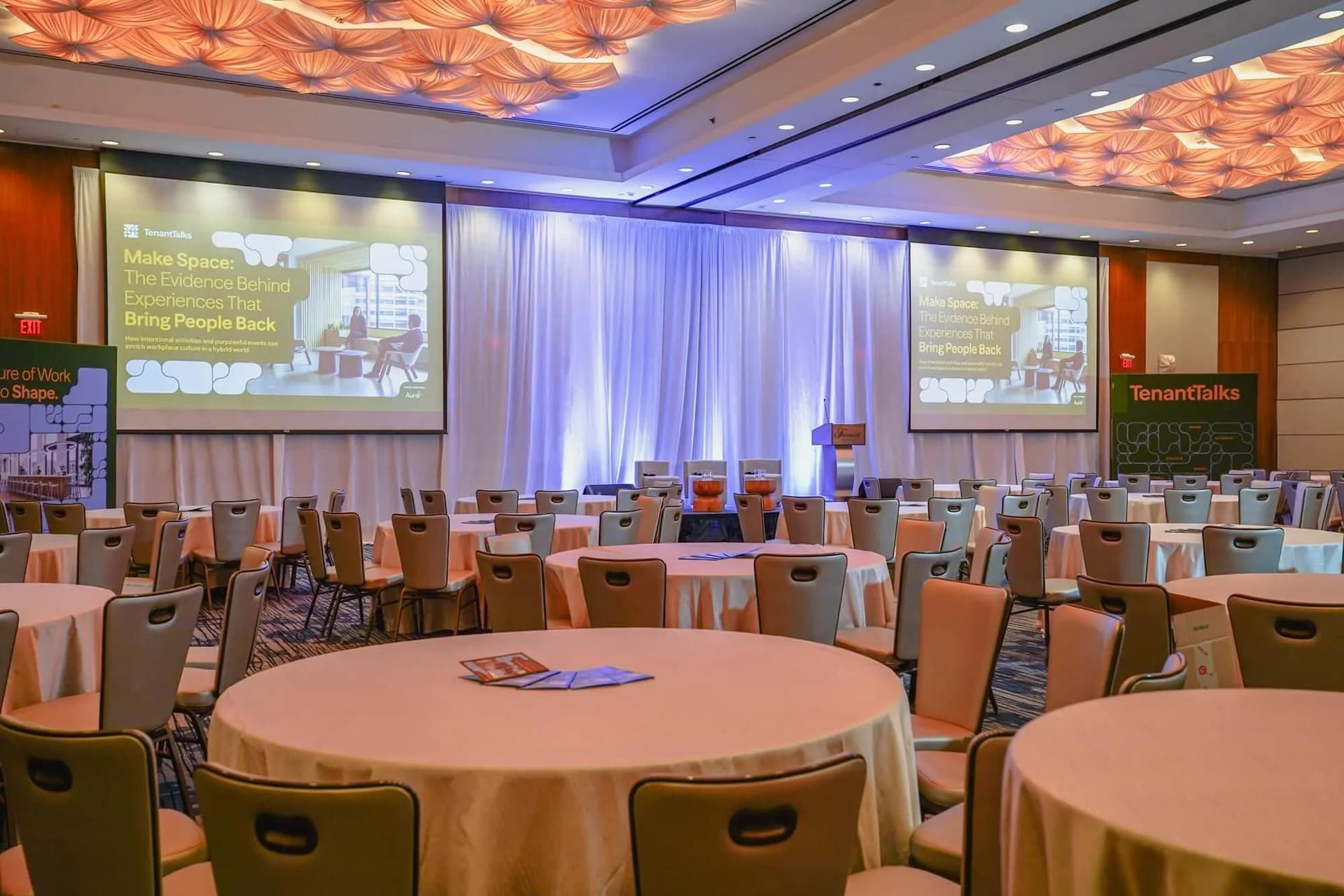
At the 2026 CPHR Conference & Expo, we asked 246 HR professionals to identify their top three people and workplace related priorities for the next 12-16 months. Each participant selected and ranked their top three from nine emerging focus areas.

Attracting and Retaining Talent in a Competitive Labour Market
~ 138 Total Mentions
Employees are reevaluating their priorities, and when their needs aren’t met, they are willing to seek opportunities elsewhere. This turnover impacts not only business operations but also team cohesion and morale. HR leaders must manage talent effectively in an increasingly competitive labour market, but the deeper challenge is the employee experience: what drives people to join, stay, perform, or ultimately leave.
Preparing the Workforce for AI and Automation
~ 134 Total Mentions
AI and automation readiness is more than just a technology conversation; it has become a people conversation. Its ranking, nearly equal to talent, shows that HR leaders see AI as much more than a rollout of new tools. It’s a shift that affects skills, trust, job design, and how people adapt to change.
Planning for Future Growth or Change Without Overbuilding
~ 120 Total Mentions
With so much uncertainty, leaders are becoming more intentional about how they plan for change and growth. The strong ranking of this priority shows that organizations appear to be balancing future ambition with caution. They’re asking how to stay flexible and ready for what’s next, without overcommitting people, systems, or space.

What does this mean? And what to do next!
The results of the HR poll mirror what major workplace research bodies (Gallup, Microsoft, McKinsey, Deloitte, etc.) are consistently reporting: organizations are entering a period defined by talent scarcity, rapid technological disruption, and shifting employee expectations. HR leaders are prioritizing the capabilities that will determine whether their organizations can adapt, compete, and grow in this environment.
What This Means for Organizations
1. Talent Competitiveness is Becoming a Defining Differentiator
Gallup’s State of the Global Workplace continues to show that employee engagement remains low globally, voluntary turnover is high, and the cost of replacing an employee can reach 1.5–2× their salary. This reinforces why attraction and retention emerged as the top priority in the poll. Organizations that invest in career development, manager capability, and employee experience are outperforming peers in productivity and profitability.
2. AI Readiness is Imperative
Microsoft’s Work Trend Index reports that 75% of employees are already using AI at work, often without formal guidance, and 60% of leaders say their organization lacks a clear AI vision. This aligns with your poll results: HR leaders recognize that preparing employees for AI‑enabled roles, through upskilling, change management, and role redesign, is essential to future competitiveness.
3. Growth Planning Requires Precision in an Uncertain Economy
McKinsey’s research shows that organizations that plan for multiple growth scenarios, rather than relying on linear forecasting, are more resilient during economic shifts. The strong ranking of “planning for future growth without overbuilding” reflects this need for strategic workforce planning, scenario modeling, and flexible resourcing strategies.
4. Workplace Design and RTO Are Shifting From Mandates to Purpose
Across multiple workplace studies, employees report that they return to the office for connection, collaboration, and meaningful experiences—not mandates. This aligns with your poll’s lower ranking of RTO expectations and office modernization. Leaders are recognizing that workplace design is most effective when it is strategically aligned with talent, culture, and business goals, not treated as a standalone initiative.
What Can You Do Next?
1. Benchmark your organization: Compare your internal priorities with the poll results to identify alignment, gaps, and opportunities.
2. Engage your leaders in the conversation: Share these insights with executives and people managers to build alignment around what matters most.
3. Participate in our nationwide “Rethinking Work: Canadian Workplace Survey”: You’ll receive a deeper insights report with national and sector‑specific trends to help guide your planning.
4. Assess your workplace environment with intention: If you’re considering space optimization or modernization, tie those decisions directly to measurable outcomes like connection, engagement, talent attraction and retention.